Tuesday, 1 March 2016

Are you struggling with eating too much? Learn how to better control your portion

I can tell you straight up - eating the right amount of food is hard. The human body is designed to store energy since our ancestors’ hunting and scavenging era! The good news are - you are not the only one struggling and there are ways to manage it.

Our perception of quantity is shaped by external factors that are not always in line with how much our body needs. There are many reasons why we struggle with eating the right amount of food:
  • I want my money worth the quantity of food when I eat out;
  • I don’t want to waste food;
  • There is too much information out there to tell me what and how much to eat;
  • Food is everywhere nowadays;
  • Skipped lunch and I am hungry…
  • And the list goes on…

These are all legitimate reasons why we eat more than we need. It is important to be aware of these reasons before developing effective strategies to eat the right amount. Ask yourself this question when you are full, “What is it that makes me want to eat more?” Once you find out the WHY, the HOW will become easier to manage.

Now, if we take a step back, you may ask, “How do I know how much to eat?”

You may already know this - everyone’s requirement is different. It is based on your body weight, height, age, sex and activity level. Fortunately, there are guidelines to recommend how much an average healthy individual needs in a day.

Here I have put together three methods to give a general idea of portion size per meal. All methods give similar amount of food per meal so you can compare which one works best for you! It is important to eat 3 meals and include 2-3 snacks (maybe another post?) between meals to keep you going throughout the day.

  1. The Plate Method
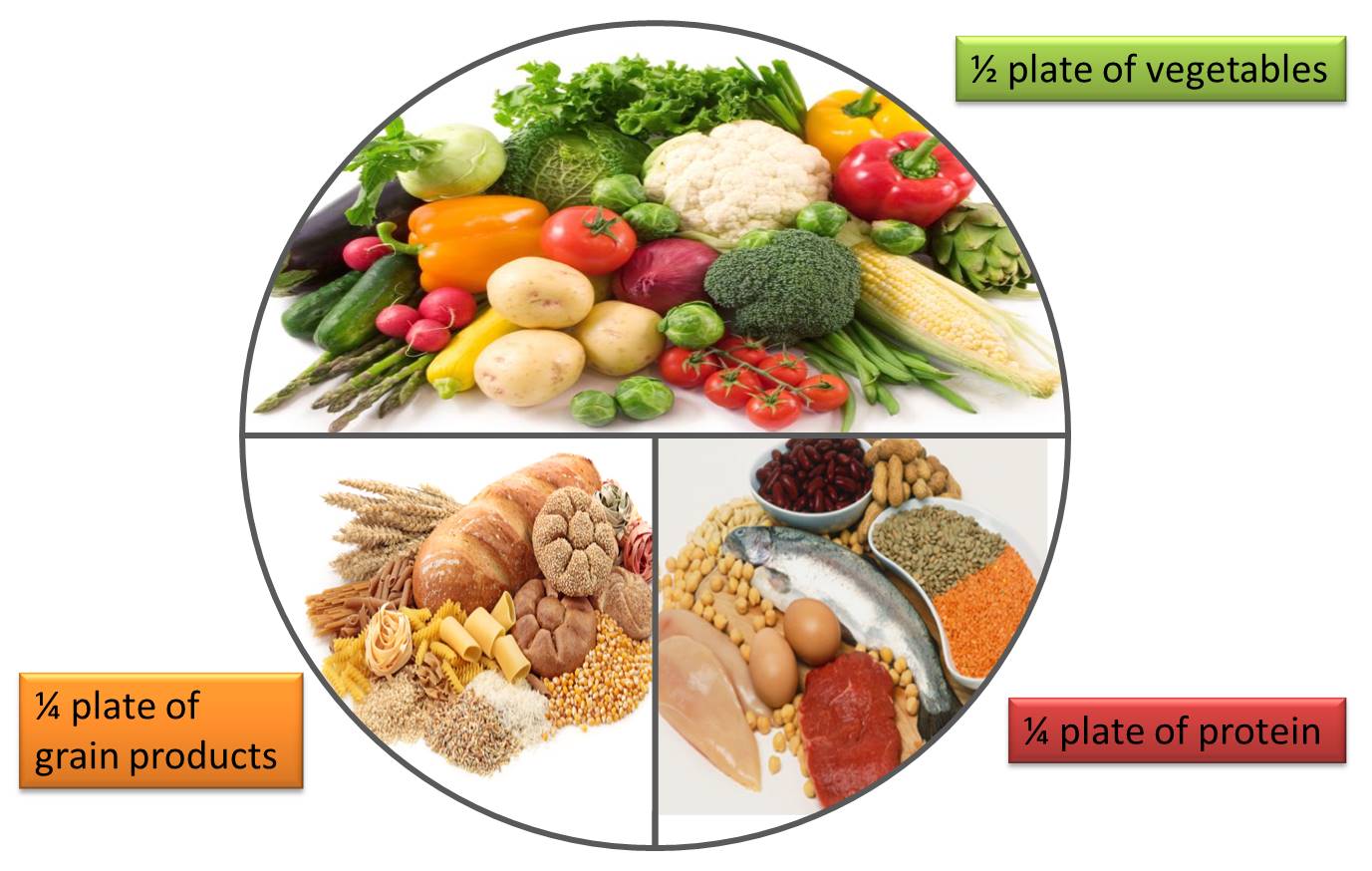
The easiest way to remember and without measuring your food would be following the plate method at each meal.
  • Start by using an 8-inch diameter plate (about a stretch of your hand between the tips of your pinky and thumb)
  • Fill half the plate with vegetables (mix & match, be creative!)
  • Fill one quarter with grain products (brown rice, whole wheat pasta, quinoa, 1-2 slices whole grain bread)
  • Fill one quarter with meat and alternatives (lean meat, poultry, fish, lentils, beans, tofu)
  • Include one cup (250ml) of milk/fortified soy milk or ¾ cup of yogurt
  • Include a fruit of your choice
plate method.jpg


2. The Hand-y Guide
This method uses your hand to ballpark the amounts for each food group. I find this a bit tricky to use because different hand-portion sizes correspond to different amounts depending on the food group. Here I have simplified in general how a meal would look like using hand-portions.
  • Choose vegetables equivalent to the amount of two fist-size.
  • Choose meat/poultry/fish with the size of your palm. In case of lentils or beans, use a fist-size amount.
  • Choose an amount of grain equivalent to the size of your fist. For bread or pita, you can use the size of your hand and double it (ie two palm-size breads, which usually is equivalent to two slices of bread)
  • Include one cup (250ml) of milk/fortified soy milk or ¾ cup of yogurt
  • Again, pick a fruit of your choice

handy portion.jpg


3. Food Guide portions
Last but not least is counting serving sizes according to food guide recommendations (Follow this link to the full food guide for how much you need per day). It requires a bit more measuring, counting and possibly unit conversion (I don’t want to discourage you from using this method though!). This method is not necessarily better than the former two, but it is good practice to visualize a serving size.This is approximately how much is recommended per meal:

Food groups
Number of servings/meal
How much is ONE serving?
Example of a meal
(also include a fruit)
Vegetables
2
1 cup (250ml) vegetables
2 cups vegetable stir fry
Grain products
2
½ cup rice/pasta/quinoa;
1 slice of bread
1 cup steamed brown rice
Milk & alternatives
1
1 cup of milk/fortified soy milk;
¾ cup yogurt
1 cup of milk
Meat & alternatives
1
75g(~3oz) meat/poultry/fish;
¾ cup (175ml) beans/lentils;
2 eggs
Grilled/baked chicken breast
*Remember this only accounts for a meal, you need to add snacks!

Tips:
  • If you have a bigger appetite, try an extra snack or a slightly larger portion.
  • When you eat out, portion sizes are usually large. Pack away leftovers to make a great lunch.
  • Practice by measuring food out for a few times. You will get the hang of it and be able to estimate by eyeballing later.
  • Try portion control for one of your meals then progress to all three meals. Small steps count!

One last thing I want to say is that meal planning and portion control require effort and time. It could be challenging but it is doable. Working on the psychology around food is important to figure out your goals in healthy eating.

Friday, 26 February 2016

ONE POT PASTA

I recently tried (with modifications) Martha Stewart's version of one pot pasta (Link: http://www.marthastewart.com/978784/one-pan-pasta) It's really quick and easy to make. I topped my pasta with some shredded ham because I was super hungry. This recipe yields quite a large serving so it's a great idea for family dinner!

Ingredients
12 ounces linguine
12 ounces cherry or grape tomatoes, halved or quartered if large
1 onion, thinly sliced (about 2 cups)
4 cloves garlic, thinly sliced
1/2 teaspoon red-pepper flakes
2 sprigs basil, plus torn leaves for garnish
2 tablespoons extra-virgin olive oil, plus more for serving
Coarse salt and freshly ground pepper
4 1/2 cups water
Freshly grated Parmesan cheese, for serving


1. Combine pasta, tomatoes, onion, garlic, red-pepper flakes, basil, oil, 2 teaspoons salt, 1/4 teaspoon pepper, and water in a large straight-sided skillet. Bring to a boil over high heat. Boil mixture, stirring and turning pasta frequently with tongs, until pasta is al dente and water has nearly evaporated, about 9 minutes.
2. Season to taste with salt and pepper, divide among 4 bowls, and garnish with basil. Serve with oil and Parmesan.

Tips:
Make sure to use a pot with a wide opening so you can lay your pasta flat to be covered in water/broth.
Keep stirring the pasta so it doesn't stick to the bottom of your pot!

Tuesday, 16 February 2016

Oats for breakfast only? Think again!

I'm sure you all know the nutritional benefits of oats. Oats are sources of soluble fibres that improve cholesterol level and help with bowel movement. A bowl of oatmeal in the morning with some added spices, such as cinnamon, nuts and seeds or fresh/dried fruits can make a wholesome filling breakfast meal.

But is that all for oats? How do you make it more than just a breakfast cereal? I recently got an oatmeal muffin recipe in the mail and decided to try it out.
(Recipe source: PepsiCo Canada)

List of Ingredients
Quick oats - 1 cup
All-purpose flower - 1 cup
Baking powder - 2 teaspoons
Egg, beaten - 1
Canola oil - 3 tablespoons
Skim milk - 1 cup
Brown sugar - 1/4 cup
Raisins - 1/4 cup
Grated orange zest - 3 tablespoons


Directions
1. Preheat oven to 400F. Grease muffin cups or line with paper muffin liners. (I used silicone muffin cups and I didn't have to grease them)
2. Combine all muffin ingredients, mix well. Divide batter among muffin cups.
3. Bake in oven for about 20-30 minutes or until golden brown.


Tips: Use a smaller pan to make snack size muffins.


As you can see from my photo, I didn't add raisins and orange zest to my batter but I added a handful of walnuts. I also experimented a little by substituting brown sugar with honey simply because I didn't have brown sugar at home. There is no significant difference in calories or added sugar content using brown sugar vs honey. You can learn more about baking with less sugar through EatRight Ontario's Recipe Makeover: Reducing Sugar in the Kitchen.

Monday, 8 February 2016

Macaroni in Soup

Macaroni and ham in soup has always been one of my favorite breakfast choices growing up. It is simple, yummy, warm and filling - great brunch idea on a lazy late Sunday morning.

Last week, I decided to re-create this simple dish and turn it into a hearty lunch before my workout. I was also able to clear out the leftover chicken leg in the fridge!


 List of ingredients

Macaroni - half a cup
Broccoli - half medium crown
Egg - one medium
Chicken leg (leftover) - one
Sesame oil - drizzle
White sesame seed - sprinkle
Salt - a pinch or two

1. Follow instructions on package to cook pasta, drain and set aside.

2. Cook broccoli in boiling water until softened. Add a pinch of salt and drizzle of sesame oil for flavor. Set aside broccoli. Poach egg into simmering soup. Save broth for soup base.

3. Re-heat leftover chicken leg.

4. Combine pasta, chicken leg, broccoli and soup in a large bowl. Garnish with white sesame seeds. Ready to serve!

Note: You can use vegetable/chicken broth as the soup base instead of water. If you don't have leftover meat at home, you can add lean roasted turkey, chicken, beef or ham slices for extra protein. For vegetarian option, you can add tofu to the soup.


This lunch is really easy to make and you can switch up the ingredients to match your preference! Remember to make the biggest portion of your meal with vegetable for fiber, nutrients and satiety.

Create your combination in your own bowl!


Monday, 1 February 2016

Food Certification Decoded


I personally enjoy walking down grocery store aisles and aimlessly browse food products, usually packaged foods. One thing I find most intriguing is the way food marketing stimulates my desire to purchase and my willingness to spend more on a food product that looks delicious, based on the graphics printed on the packaging. The visual sensory stimulation is sufficient.


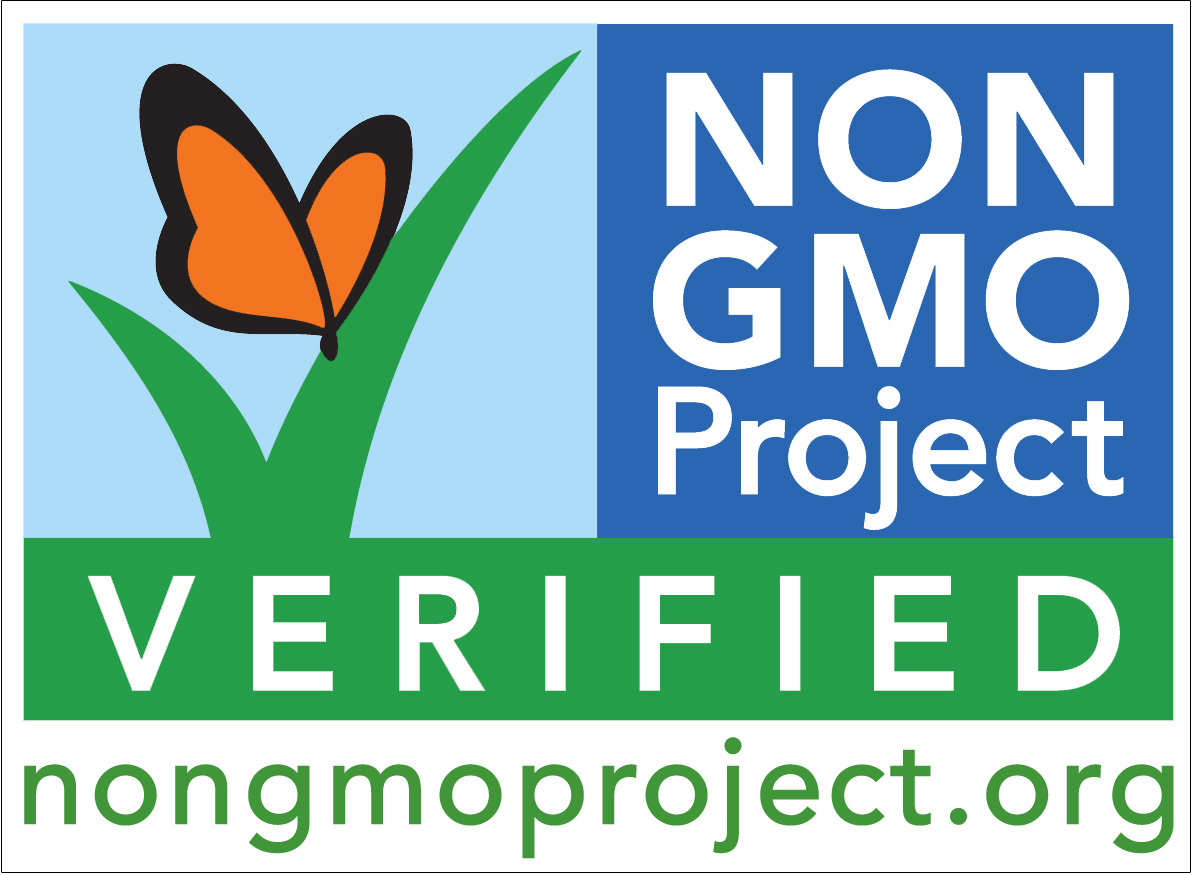
However, I do find claims and endorsements overwhelming sometimes. Every company is trying to sell you their products and you find yourself swamped with information. One of them is food certification. Products with these labels are usually verified by a third-party to guarantee a specific quality. The terminology used is simple but there is more to it. So I have picked three common logos to unveil what it means behind the certifications.


What is GMO? GMOs contain genetic materials that have been artificially modified in labs for the purpose of increasing yields, reducing use of pesticides and enhancing nutrient contents. In North America, more than 80% of our foods contain GMOs. Food products bearing this seal contain <0.9% Genetically Modified Organism (GMO) in a set sample. Unfortunately, it does not imply "GMO free" due to risks of contamination and limitation of testing methods.


Who provides this seal? An Canadian Food Inspection Agency accredited certification body
What is organic? Organic practices are based on principles that preserve long term environmental and biological sustainability. They also exclude uses of pesticides, GMOs, fertilizers, antibiotics and growth hormones. Products bearing this seal has a 95% or more organic content. Products with less than 95% organic content may make organic claims but cannot use the logo.


Who provides this seal? The Gluten-Free Certification Program endorsed by the Canadian Celiac Association
What is gluten? Gluten is a protein found in barley, rye, wheat, triticale or any food products made with these grains. People with Celiac Disease react to the consumption of gluten resulting in malabsorption of other nutrients. Consumption of gluten by non-Celiac healthy individual is generally safe and poses no harm; however gluten-sensitive people may choose gluten-free options to avoid symptoms such as bloating, cramps and fatigue.    
What does it mean to consumers? Products with this seal are manufactured in facilities that have been audited to be gluten-free by a third party. In order to make a gluten-free claim on food products in Canada, the gluten level (natural or cross contamination) should not exceed the tolerance threshold for people with Celiac disease.

Applications for certification is voluntary by food manufacturers, but food nutrient claims and labeling are regulated in Canada. Purchase of certified products is a personal preference by consumers and it is important to understand the reason behind them as a smart consumer!


Sources
Non GMO Project
EatRight Ontario
Canadian Food Inspection Agency
Canadian Organic Growers
Dietitians of Canada
Canadian Celiac Association
Gluten-Free Certification Program

Thursday, 21 January 2016

Nothing in the kitchen

I visited my friend's condo which she moved in just a day ago. It was a lazy Sunday afternoon so we decided to make dinner at home and off to the grocery store we went.

But there was one challenge.

Everything - literally everything - was packaged away in boxes and bags. We did not have plates, frying pan, pot, cutting board, knife or scissors. We were able to scavenge a few butter knives, forks and lunchboxes here and there. Surprisingly we had a can opener too. So our grocery list really evolved around the kitchen wares we had.

Fortunately for us, this was our dinner  =]

20-mins tuna salad
Here is a list of ingredients (serves one person):

  • Leafy green salad mix - half a package
  • Tomato - half
  • Tuna (canned in water) - half can
  • Avocado - quarter fruit
  • Chickpeas (canned) - approx. half cup (125ml)
  • Dried cranberry and nut mix - sprinkle
  • Olives - 6
  • Balsamic vinegar - 1-2 tbsp
  • Olive oil - 1 tbsp 


To make this salad more filling, try adding a whole grain item such as quinoa, lentils or brown rice. 
We thought of adding a bit of cheese but we didn't have scissors to open the package =P 

Let me know your quick salad dinner ideas!
  

Wednesday, 20 January 2016

What's in the foodbOWL?

The owl (a.k.a. Owwly) in the foodbOWL has an interest in foods, drinks and nutrition. She wants to enjoy delicious and healthy foods but she is also too lazy to spend hours on meal preparation everyday.

One night, after much procrastination and encouragement from her friends, Owwly decided to start experimenting with quick meal ideas.

From bread making (with many failing attempts) to pasta, sandwiches and salads, Owwly would like to share her experiments with friends and also learn what they are cooking up!

So, what's in your foodbOWL?